Request support on coordination, information management, integration for nutrition outcomes or technical nutrition in emergencies assistance.
التماس الدعم لتنسيق التغذية وإدارة المعلومات والتغذية في حالات الطوارئ
Demander un appui pour la coordination de la nutrition, la gestion de l'information et la nutrition dans les situations d'urgence
Buscar apoyo para la coordinación de la nutrición, la gestión de la información y la nutrición en situaciones de emergencia
Solicite apoio para coordenação em nutrição, gestão de informação e nutrição em emergências

Pakistan
L1Coordination mechanism: Sector/ National and Provincial/Sub National Working Groups.
Year of activation:2013
NCC: NOC FT double Hatting
IMO: NOB FT, double hatting
Coordination arrangement:
The coordination mechanism for nutrition in Pakistan has evolved significantly, transitioning from a Cluster system to a Working Group and now into a hybrid Sector arrangement. At present, the Government—primarily the Ministry of Health at the national level and Departments of Health at the sub-national level—co-leads this mechanism alongside UNICEF.
While maintaining its linkages with the broader humanitarian architecture through the Humanitarian Country Team (HCT) and UNOCHA, the mechanism also ensures strong engagement with national and provincial disaster management authorities, who play a critical role.
The Nutrition Sector/NNWG brings together a diverse set of partners, including UN agencies, international and national NGOs, government representatives, and academia. Coordination meetings are generally held monthly, though in some contexts they take place biweekly or even weekly, depending on the needs.
Report 2025
January to June 2025
1) Pakistan is deprioritized for emergencies and with global funding crisis is off donor radar hence facing funding scarcity.
2) Un realistic reliance on very limited scaled SAM treatment element in social protection program, BISP Nashonoma.
3) Limited service of MAM leads to increased vulnerability for SAM caseload and services.
4) No major Public sector funding for treatment of acute malnutrition in the context to prolong protracted emergency with more focus towards humanitarian development nexus.
5) Political Instability: Frequent changes in government and policies disrupt long-term nutrition strategies.
Policy & Capacity Building
Strengthened policies and programs for nutrition preparedness and response.
Capacity building for policymakers, program managers, and frontline staff.
Linkages with Social Protection
Integrated nutrition interventions with BISP to support vulnerable populations.
Surveillance & Monitoring
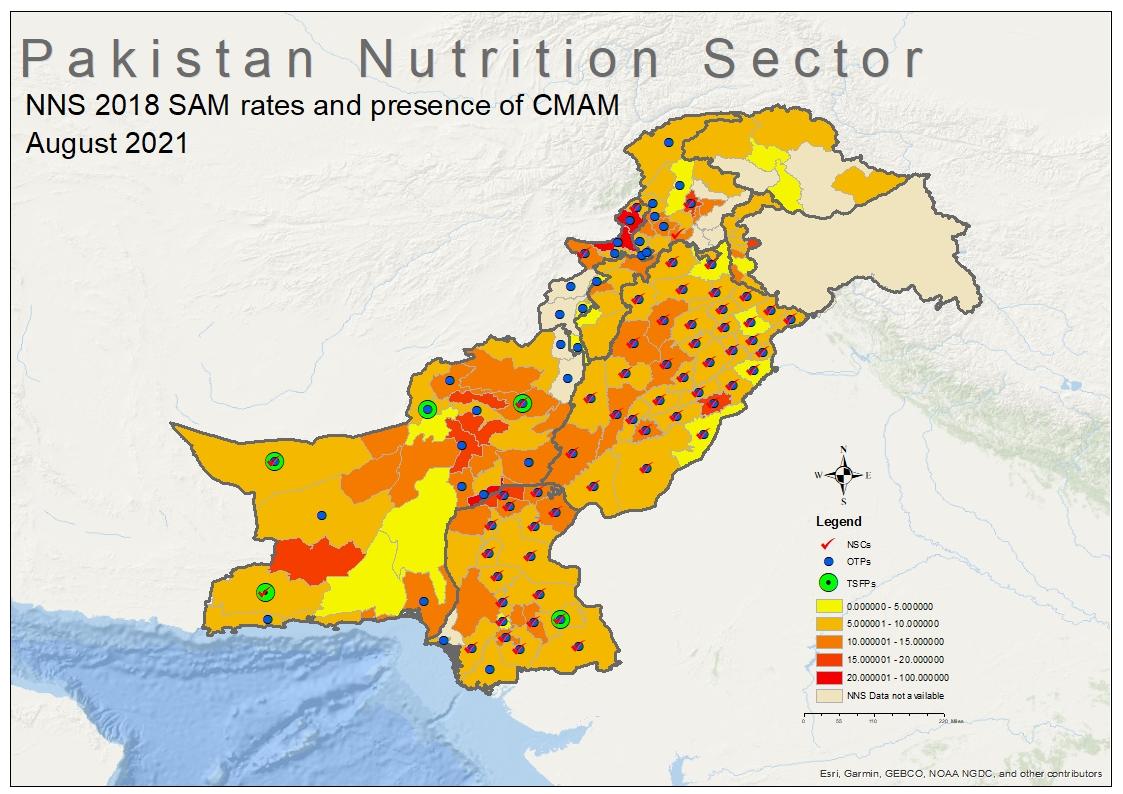
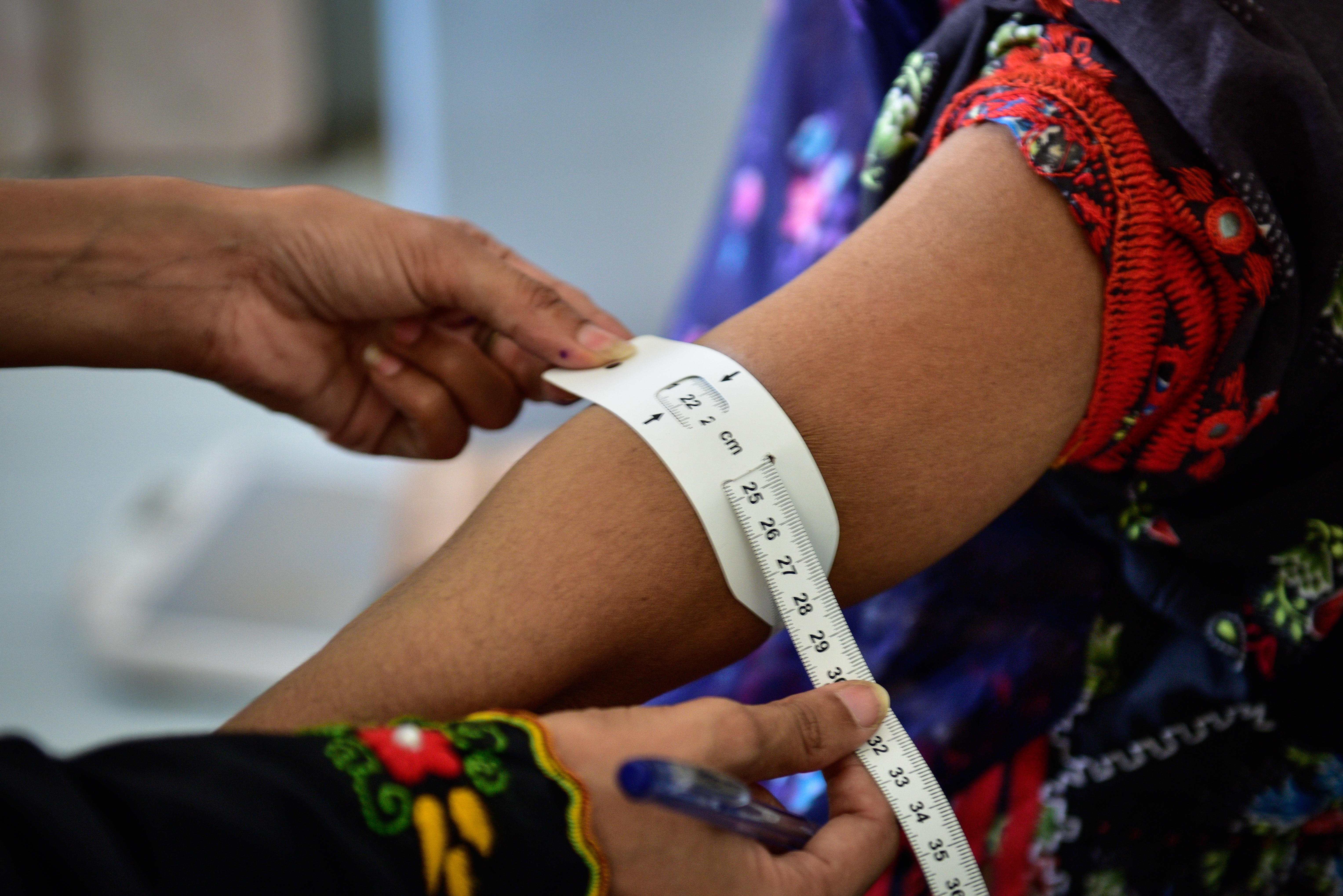
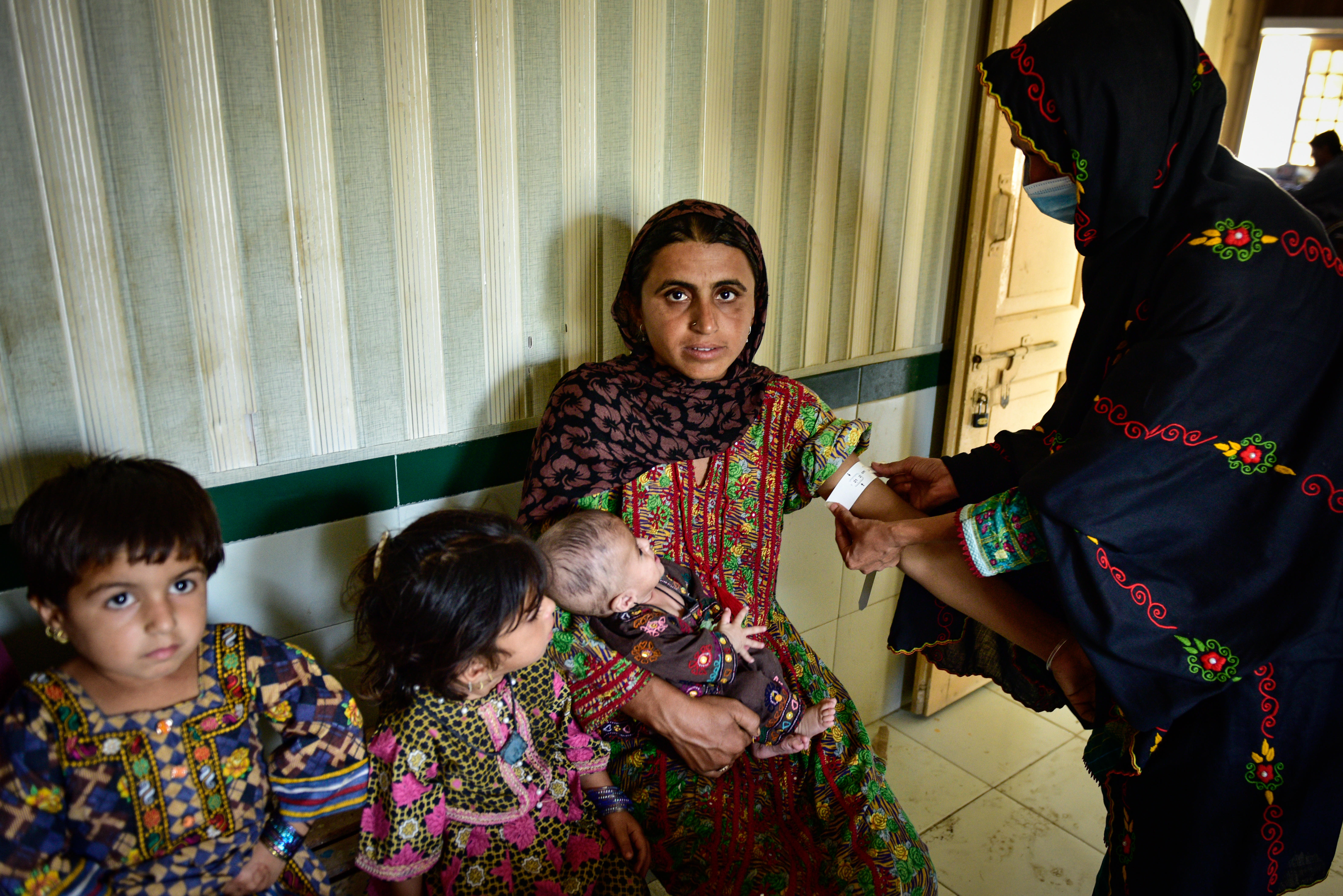
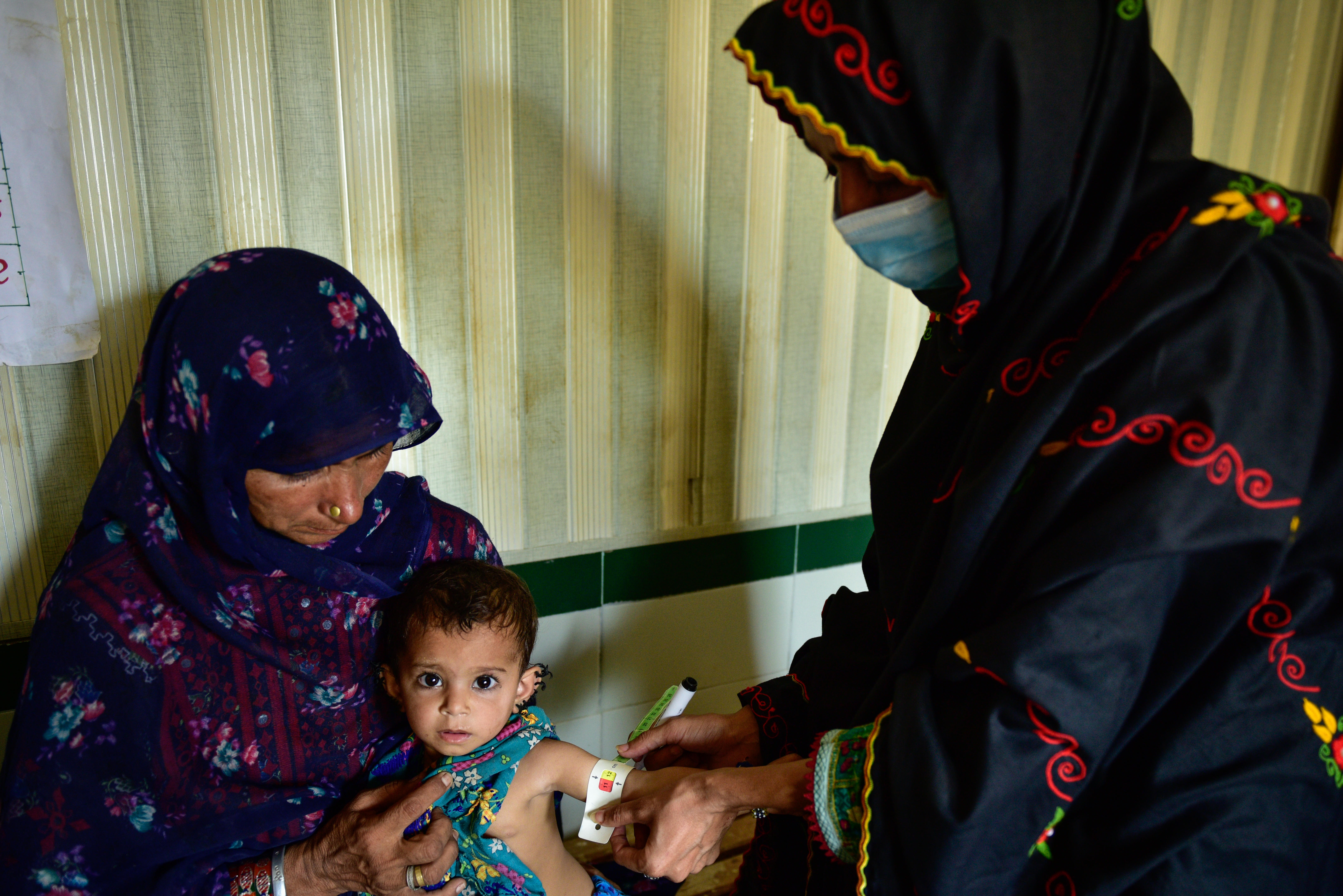
Periodic assessments of nutritional status and high-risk areas.
Use of DHIS-2 Nutrition module to track district-level indicators.
Nutrition in Emergencies (NiE) Framework
Established coordinate response during floods, earthquakes, droughts, and complex crises.
Federal and provincial coordination mechanisms in place.
Collaboration with UN agencies (UNICEF, WHO, WFP), NGOs, and donors.
Emergency Preparedness & Response
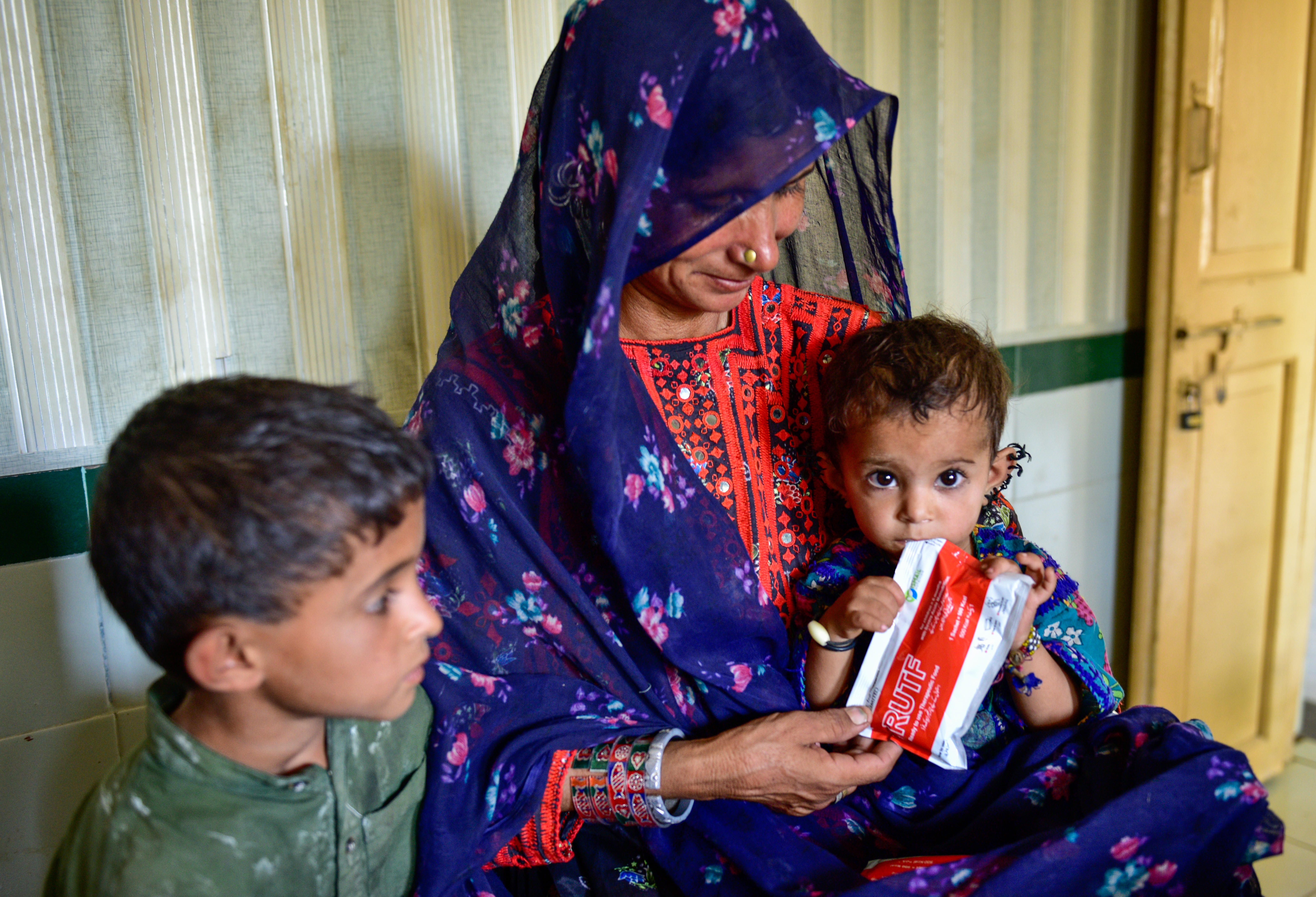
Pre-positioning of RUTF and essential supplies in disaster-prone areas.
Training of healthcare providers on diagnosing and managing SAM and MAM.
Key Figures
(million)Funding
(million)- Children 6-59 months
- Pregnant and Lactating Women
Total partners (35)
Key Resources
list of important documents