Request support on coordination, information management, integration for nutrition outcomes or technical nutrition in emergencies assistance.
التماس الدعم لتنسيق التغذية وإدارة المعلومات والتغذية في حالات الطوارئ
Demander un appui pour la coordination de la nutrition, la gestion de l'information et la nutrition dans les situations d'urgence
Buscar apoyo para la coordinación de la nutrición, la gestión de la información y la nutrición en situaciones de emergencia
Solicite apoio para coordenação em nutrição, gestão de informação e nutrição em emergências

Myanmar
L2Coordination mechanism: Cluster-
Year of activation: 2021
Other: UNICEF NOB and NOC Nutrition Officers
Coordination leadership at the national level: UNICEF
Sub-national coordination: 4 sub-national cluster platforms led by UNICEF and/or selected NGOs in the states of Rakhine, Northeast, Southeast and Northwest
Monthly report
January to October 2025
The Humanitarian Needs and Response Plan 2025
https://humanitarianaction.info/plan/1275
The HNRP Addendum is an updated version to take account of the earthquake response and the changing context.
https://humanitarianaction.info/plan/1399/article/hnrp-flash-addendum-myanmar-earthquake#page-title
HNRP Flash Addendum - Myanmar Earthquake 2025
ohttps://humanitarianaction.info/plan/1399/article/hnrp-flash-addendum-myanmar-earthquake#page-title
Challenges in implementing HNRP 2025
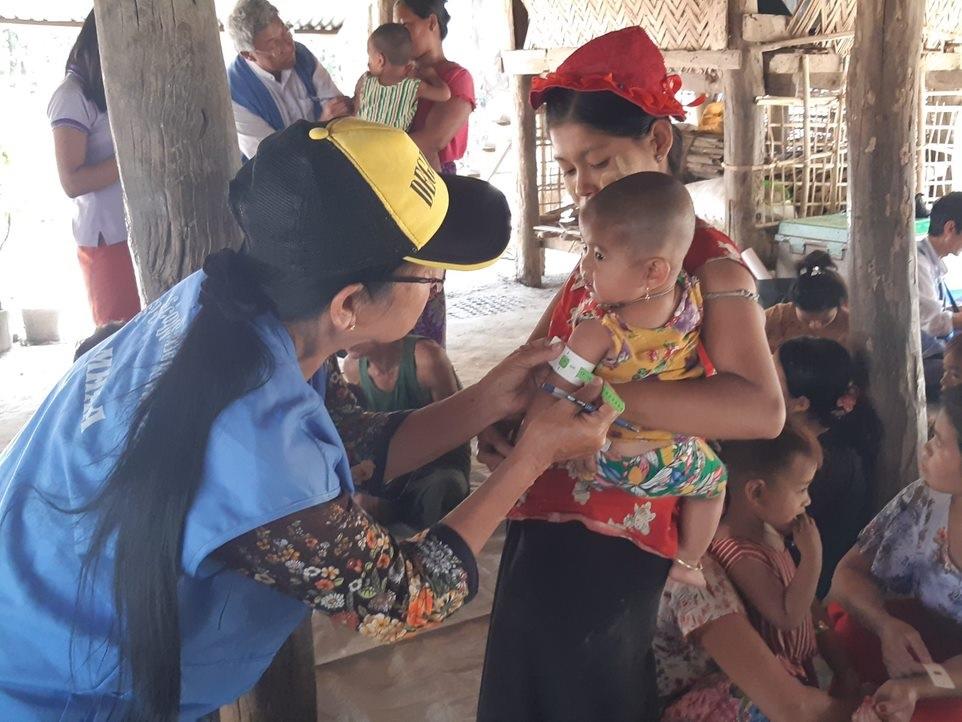
- In 2025, the Nutrition Cluster requires US$64 million to deliver life-saving nutrition services across the country. However, as of the first quarter, only US$1.5 million (2.4%) has been received. This substantial funding gap threatens the ability to reach vulnerable populations, particularly in conflict-affected areas where needs are most acute.
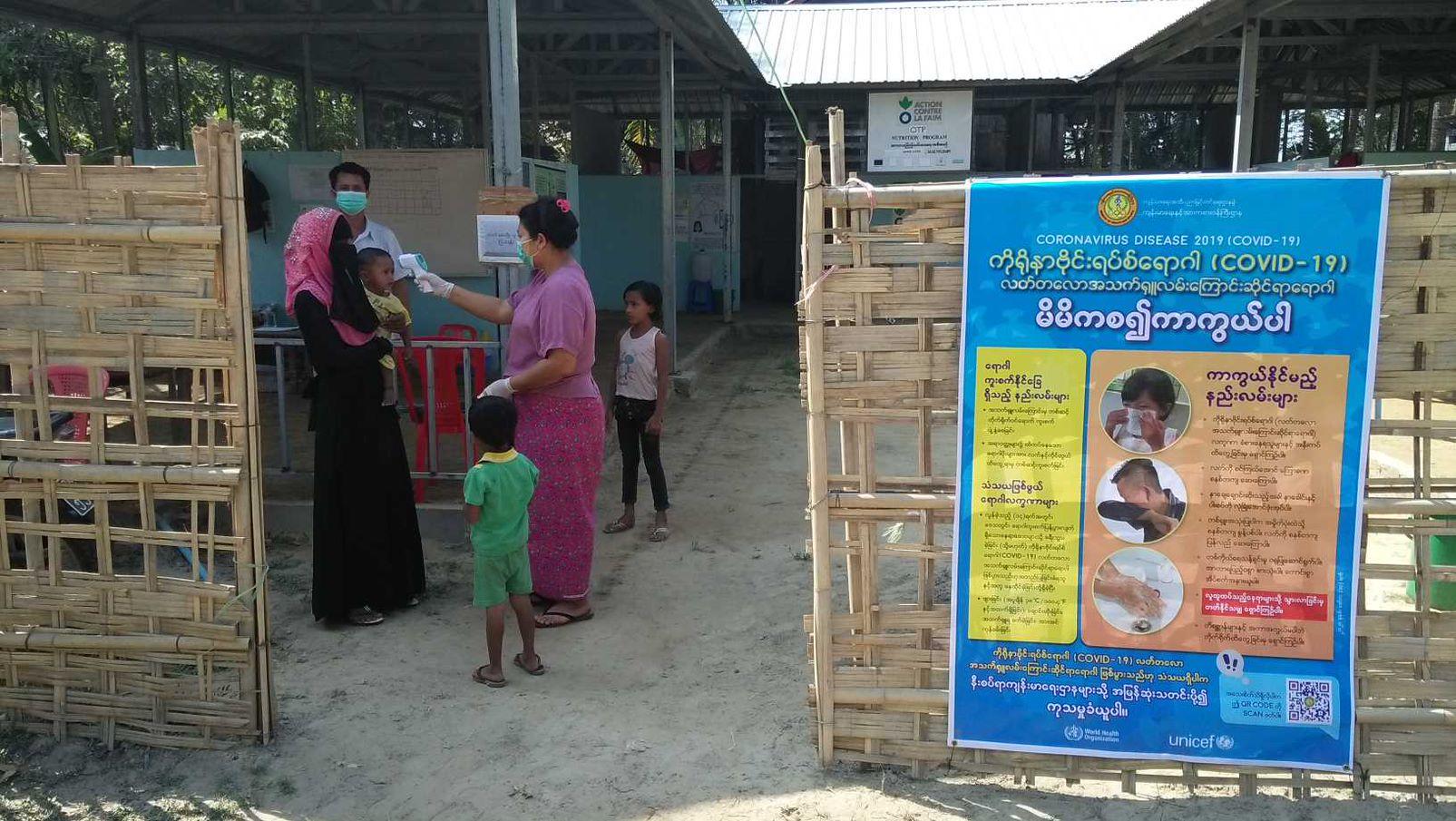
- Significant challenges continue to obstruct the delivery of essential nutrition supplies and services in regions such as Rakhine, Sagaing, Magway, Chin, Kachin, and northern Shan. These areas are heavily affected by ongoing instability and conflict, which severely limit access. The situation is further compounded by blocked roads that make transportation extremely difficult and restrict humanitarian access due to the lack of necessary travel authorizations for humanitarian personnel.
- Limited community access in some implementation areas remains a key barrier, as authorities have not granted required travel permissions.
- Poor internet and telecommunications infrastructure significantly impedes coordination among humanitarian partners, delaying effective response and resource deployment.
- Humanitarian workers face considerable safety risks, especially when traveling to volatile areas to deliver nutrition services.
- Shortages of therapeutic nutrition supplies and nutritional supplements continue to disrupt program continuity in many states and regions.
- Of the 58 earthquake-affected townships, Nutrition Cluster partners had existing operations in only 20 townships prior to the disaster.
- While partners from less-affected regions have mobilized to support the response, coverage gaps remain substantial, and many communities are still unreached.
Challenges in Earthquake (EQ) Response – Nutrition Cluster
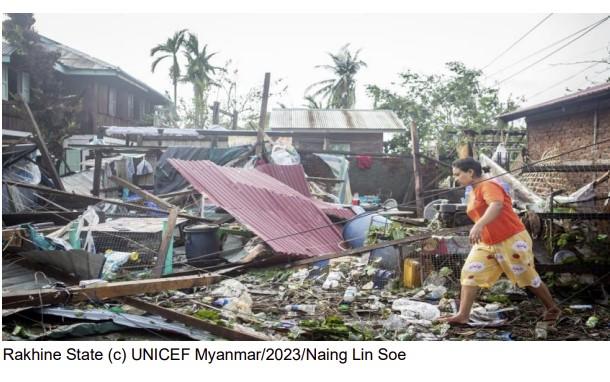
- Road infrastructure damage has made many areas inaccessible, significantly delaying response operations and the delivery of life-saving nutrition supplies.
- Logistics and transportation of both personnel and key commodities/supplies are severely hampered, especially in remote or mountainous regions.
- Many of the hardest-hit areas are still without electricity and clean water, compounding public health and nutrition risks.
- Telecommunications and internet services remain unreliable or entirely down, isolating affected populations and hindering coordination among response actors.
- Challenging contexts to do a nutrition assessment to guide the EQ response plan properly
Advocacy Survey Country Advocacy Strategy developed No Link to document Link Advocacy activities included in annual work plan No Specific WG leading advocacy work established No Preparedness Contingency plan or ERP plan developed/updated Yes Link to document Link Intersectoral Collaboration (ISC) Intersectoral projects currently under implementation Yes Clusters engaged The Nutrition Cluster closely collaborated with the other clusters within the inter-cluster coordination group through holding regular meetings, update on the humanitarian situation and advocated for the needs in Myanmar either jointly or individually. The dearth of current and representative assessment results in Myanmar also enabled the Nutrition Cluster to collaborate within the ICCG to undertake the Multi-Sector Needs Analysis (MSNA) in order to accurately assess the needs of the humanitarian situation in the country.
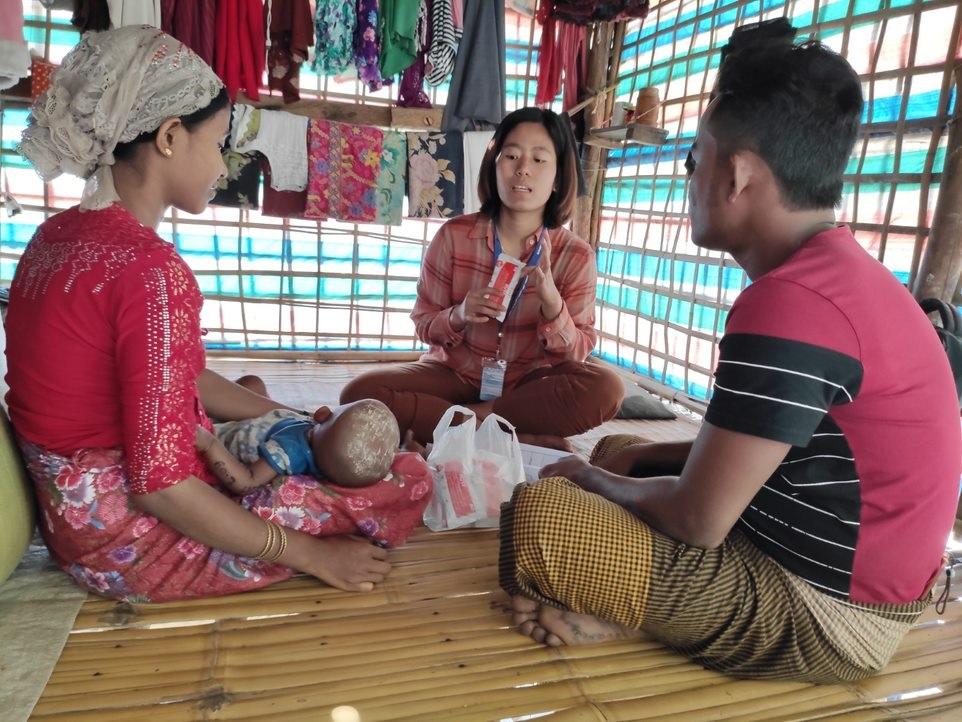
Apart from this collaboration, the Nutrition cluster led in the establishment of a unique strategic advisory group plus (SAG+) which brings together all the humanitarian nutrition actors and actors in the development sector including SUN movement players. This has been done to strengthen the humanitarian development nexus and subsequent engagements will ensure the nexus is strengthened.The Nutrition Cluster, in collaboration with the Health and WASH Clusters, is strengthening inter-cluster coordination to combat the rising cases of Acute Watery Diarrhea (AWD). This joint effort focuses on integrated response strategies, including improved case management, enhanced access to therapeutic nutrition support, increased provision of safe water and sanitation, and community-based awareness campaigns to prevent and mitigate the impact of AWD and malnutrition.
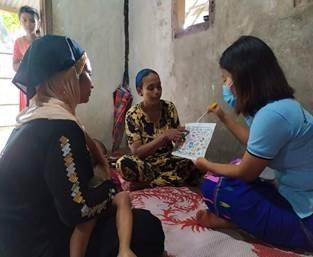
Accountability to Affected Populations is also an area where the nutrition cluster is working across sectors to ensure cross-sectoral response and meeting the multiple needs of vulnerable communities.
Finally, response to internally displaced persons in the Southeast Region has also been a platform where the cluster support a multi-faceted response approach to IDPs and therefore contributing to their wholesome needs being met.
Key Figures
(million)Funding
(million)- Children 6-59 months
- Pregnant and Lactating Women
Nutrition Partners
Total Partners