Request support on coordination, information management, integration for nutrition outcomes or technical nutrition in emergencies assistance.
التماس الدعم لتنسيق التغذية وإدارة المعلومات والتغذية في حالات الطوارئ
Demander un appui pour la coordination de la nutrition, la gestion de l'information et la nutrition dans les situations d'urgence
Buscar apoyo para la coordinación de la nutrición, la gestión de la información y la nutrición en situaciones de emergencia
Solicite apoio para coordenação em nutrição, gestão de informação e nutrição em emergências

Democratic Republic of the Congo (DRC)
L3Coordination mechanism: Cluster
Year of activation: 2006
National level:
Coordinator: UNICEF
Co-lead: COOPI - Cooperazione Internazionale
Co-lead: Programme National de Nutrition (PRONANUT)
Information Management Officer (IMO): UNICEF
Sub-national level: 5 provincial coordinations (Bunia, Goma, Bukavu, Kalemie, Kananga)
Ilaria Di Modugno
Deputy Nutrition cluster Coordinator (COOPI - Cooperazione Internazionale) [email protected]Mid-year review 2025
January to June 2025

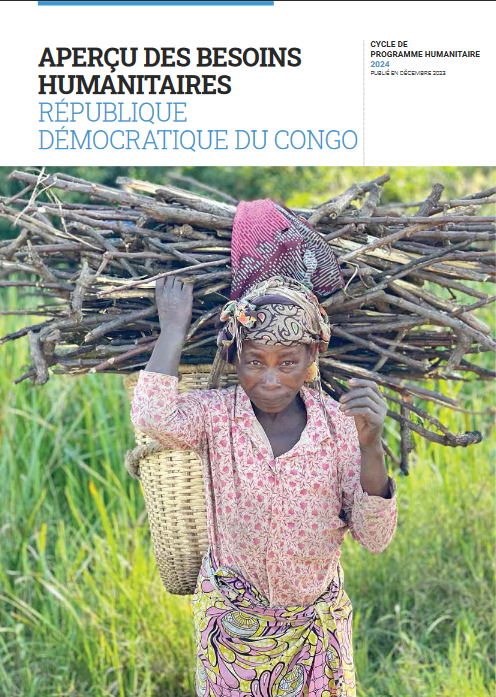
République Démocratique du Congo - Aperçu des Besoins Humanitaire 2025 (Février 2025)
Ce document est consolidé par OCHA pour le compte de l’Équipe Humanitaire Pays et des partenaires de la communauté humanitaire en République Démocratique du Congo. Il présente une analyse commune de la crise, notamment des besoins humanitaires les plus pressants et du nombre estimé de personnes ayant besoin d’assistance. Il constitue une base factuelle permettant d’alimenter la planification stratégique conjointe de la réponse.


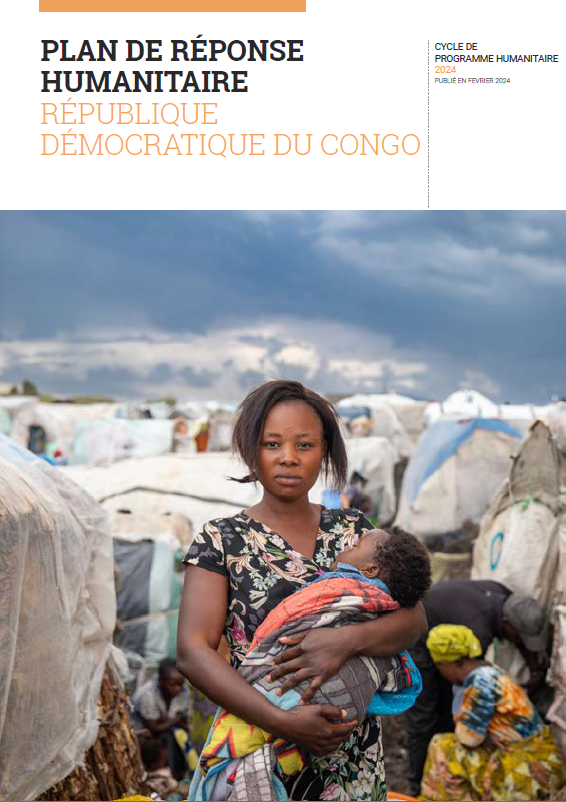
République Démocratique du Congo - Plan de Réponse Humanitaire 2025 (Février 2025)
Avec une population estimée à 118 millions d’habitants en 20241, la République Démocratique du Congo (RDC) fait face à une crise humanitaire enracinée dans des décennies de conflits armés, d’instabilité politique et de fragilités structurelles. Si les déplacements forcés de populations en sont la manifestation la plus visible, cette crise est le résultat d’enjeux complexes et interconnectés et de causes sous-jacentes, encore insuffisamment traités de manière structurelle et décisive.
- Low funding has affected response capacity, as only around 30 percent of the HRP budget for nutrition has been funded.
- Insufficient funding is available to cover preventive nutrition interventions in emergency.
- The availability and quality of data on DHIS 2 are low.
- Challenges exist with Intersectoral Collaboration and Programming (ISCP) with three clusters (WASH, FSL, and HEALTH), notably due to:
- Difficulty in bringing together the three clusters at the same time,
- Conflicting deadlines and schedules.
- Breach in nutritional supplies due to underfunding leading to significant gaps and shortages in Ready-to-Use Therapeutic (RUTF) and Supplementary (RUSF) Food, as well as a lack of contingency stocks.
- Challenges exist with nutritional supplies management, including fraud and the extended waiting time needed to bring supplies into the country.
- Lack of continuity between treatment of severe (SAM) and moderate (MAM) acute malnutrition marked by the low coverage of MAM programs.
- Access constraints mainly due to insecurity and movement restrictions imposed by non-state armed groups (NSAGs) in the emergency areas (e.g., Nord-Kivu and Ituri provinces). This causes the inaccessibility of several health districts (zones de santé) in need and difficulties in supplying inputs.
| Advocacy Survey | |
| Country Advocacy Strategy developed | No. Planned for 2024. |
| Advocacy activities included in annual work plan | Yes |
| Specific WG leading advocacy work established | No. Planned for 2024. The ToR is done. |
| Preparedness | |
| Contingency plan or ERP plan developed/updated | No. Planned for 2025 |
| Intersectoral Collaboration (ISC) | |
| Intersectoral projects currently under implementation | Yes. A cross-sectoral humanitarian response manual (Nutrition, WASH, Food Security, Health) has been developed. |
Key Figures
(million)Funding
(million)- Children
- Pregnant and Lactating Women (PLW)
Total Partners (81)
Key Resources
List of important documents