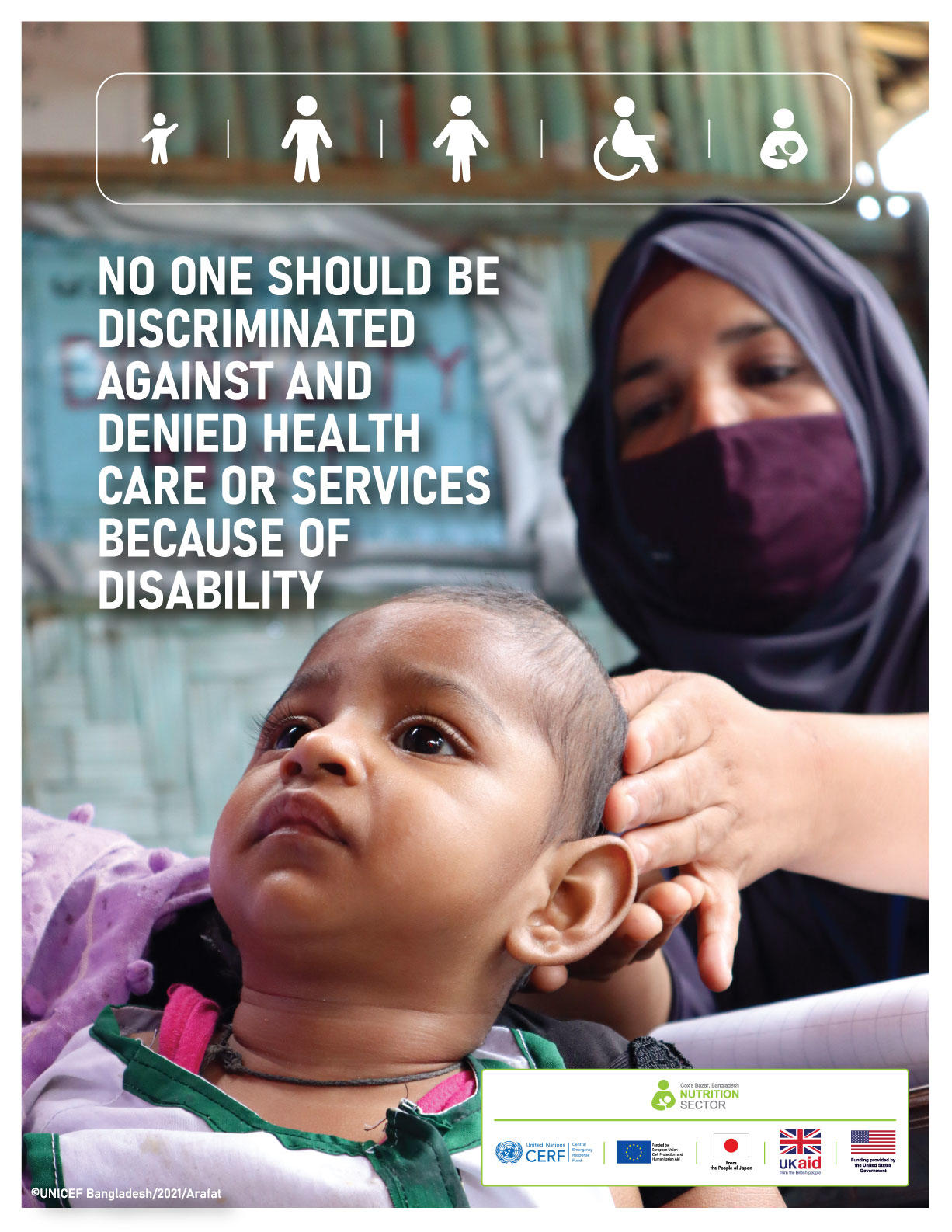
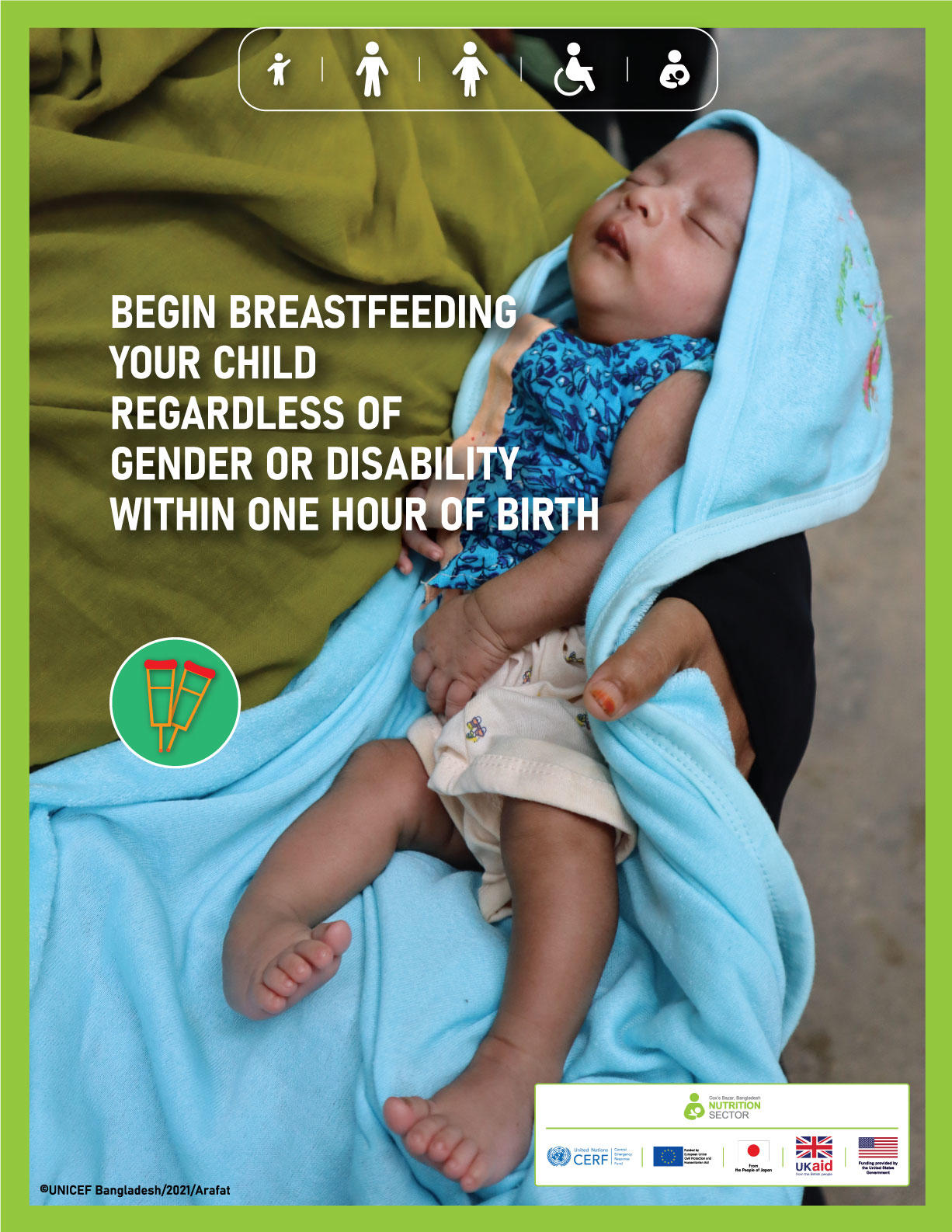
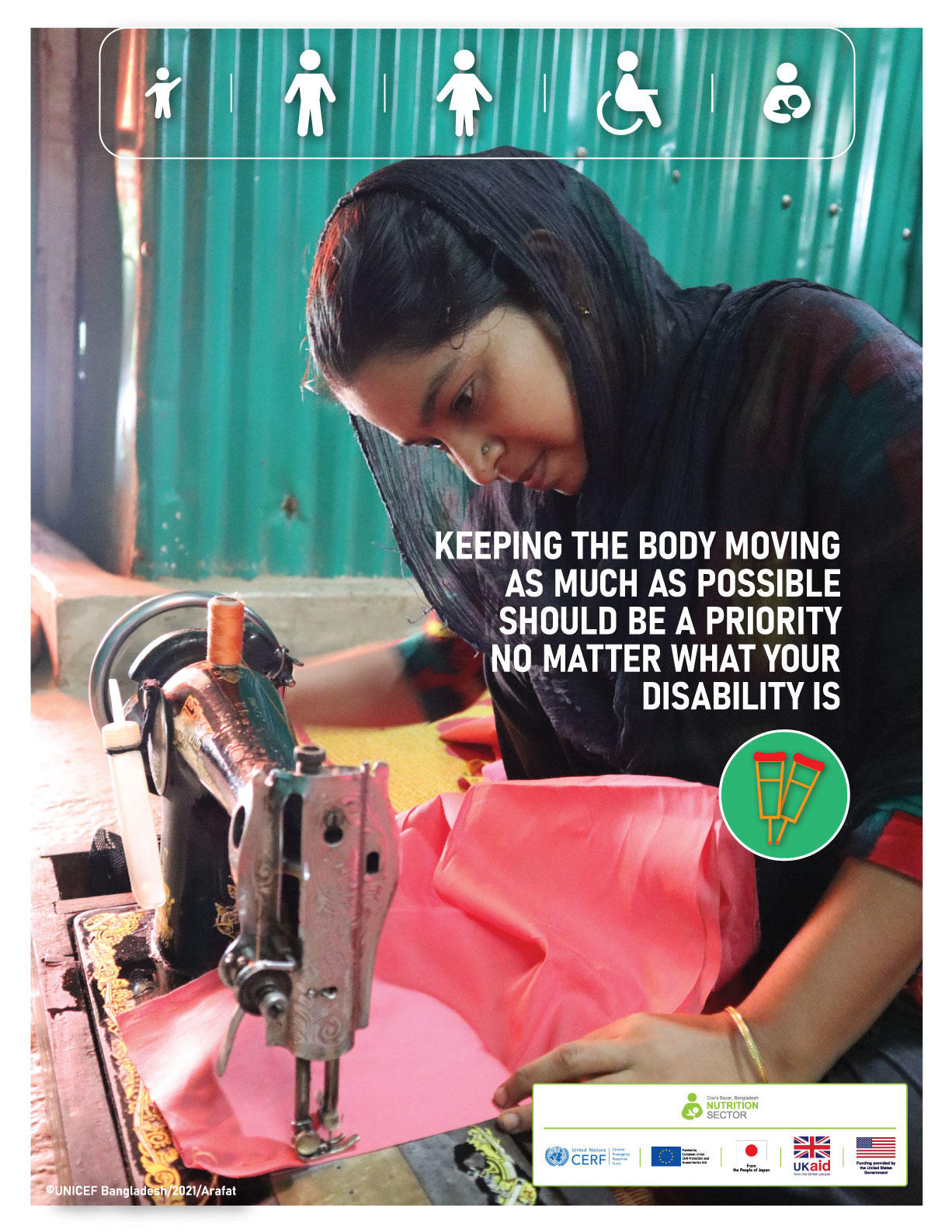
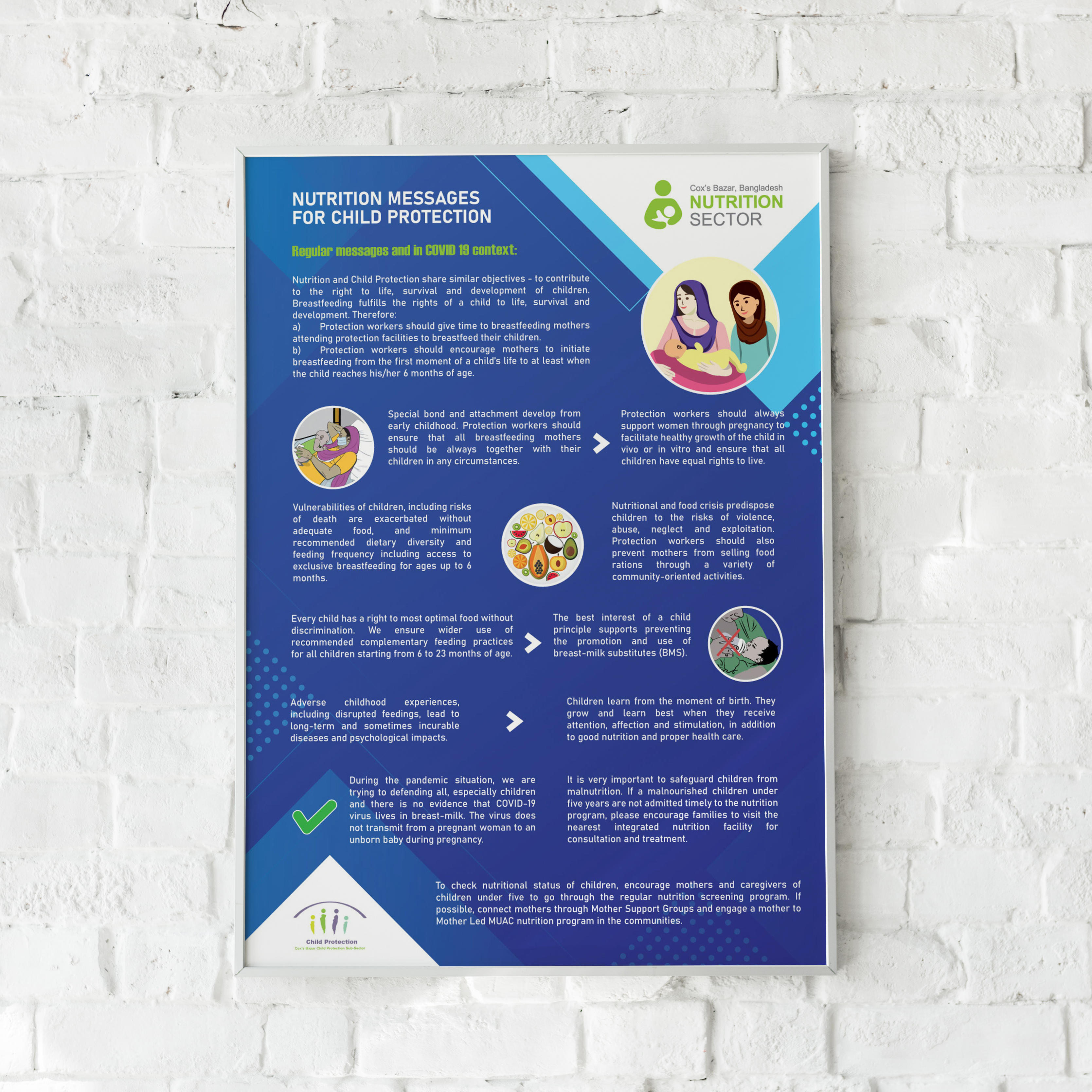
Request support on coordination, information management, integration for nutrition outcomes or technical nutrition in emergencies assistance.
التماس الدعم لتنسيق التغذية وإدارة المعلومات والتغذية في حالات الطوارئ
Demander un appui pour la coordination de la nutrition, la gestion de l'information et la nutrition dans les situations d'urgence
Buscar apoyo para la coordinación de la nutrición, la gestión de la información y la nutrición en situaciones de emergencia
Solicite apoio para coordenação em nutrição, gestão de informação e nutrição em emergências

Cox’s Bazar
L1Coordination mechanism: Sector
Year of activation: 2017
NCC: P3 FT UNICEF
IMO: UNICEF NOB TA
Nutrition Officer: UNICEF UNV
Advisory:
1. CMAM advisor and TWG lead: UNICEF
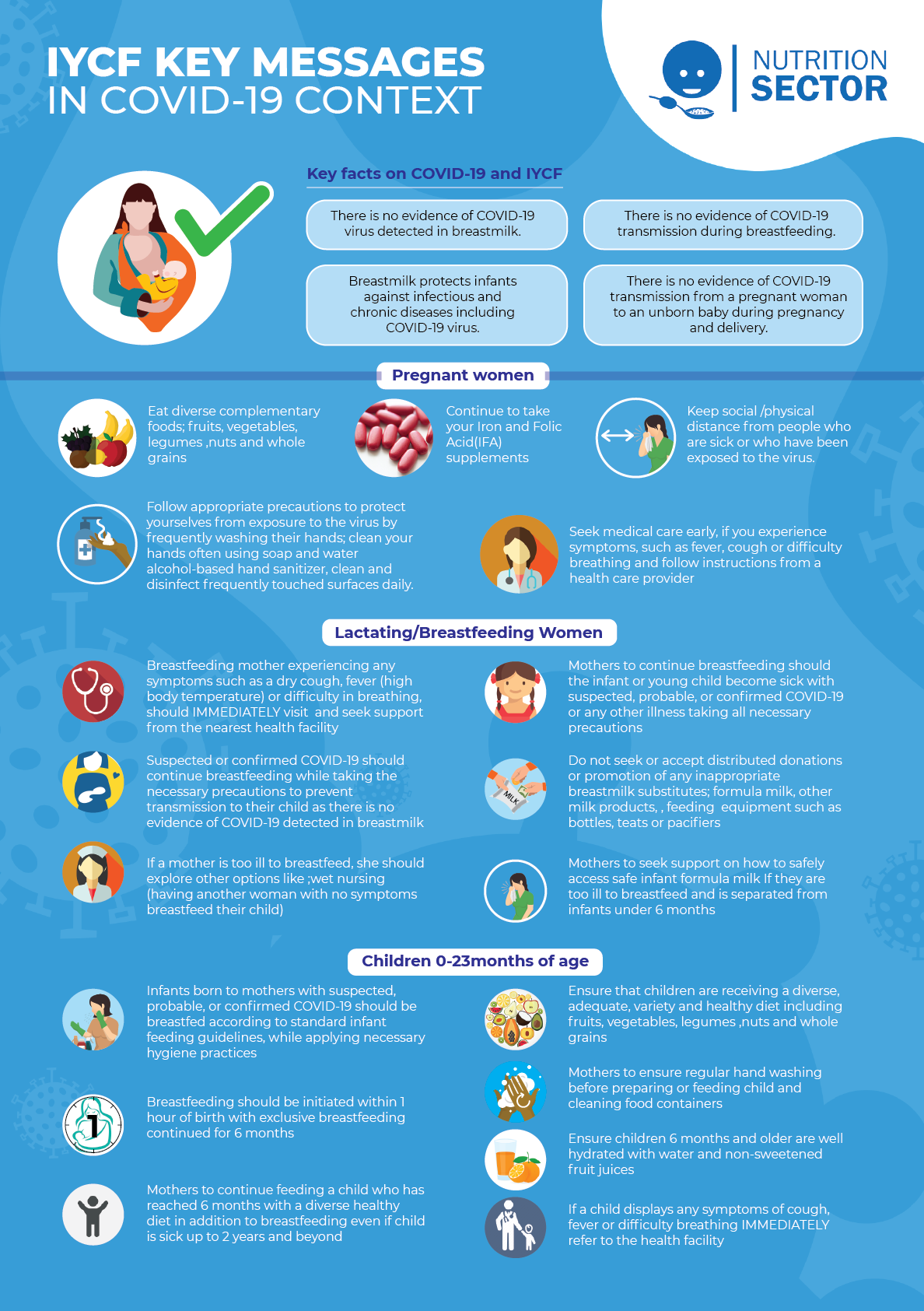
2. IYCF advisor and TWG lead: UNHCR
3. AIM (Assessment and Information Management) advisor and TWG lead: WFP
Mid-Year Report 2025
January to June 2025
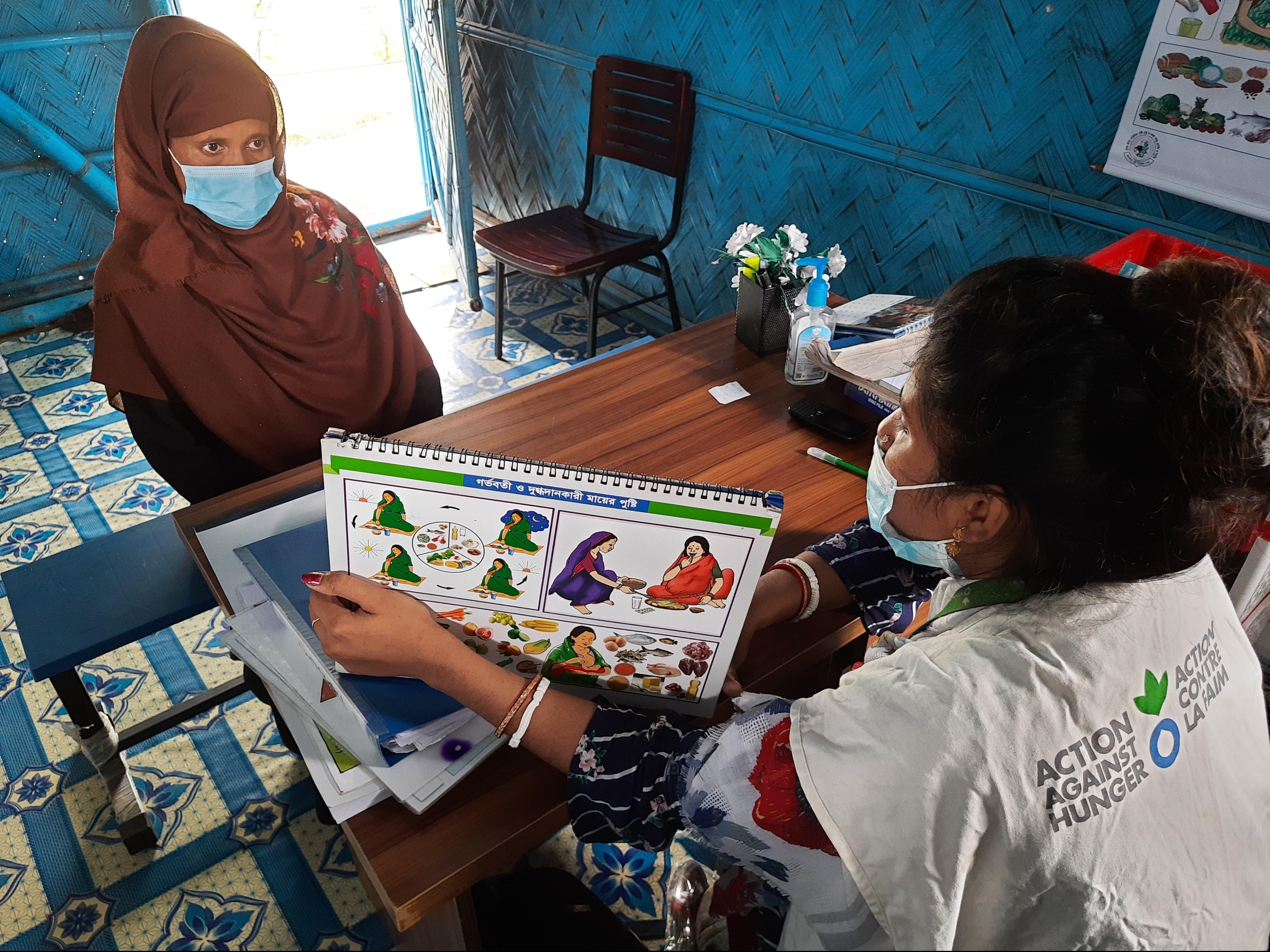
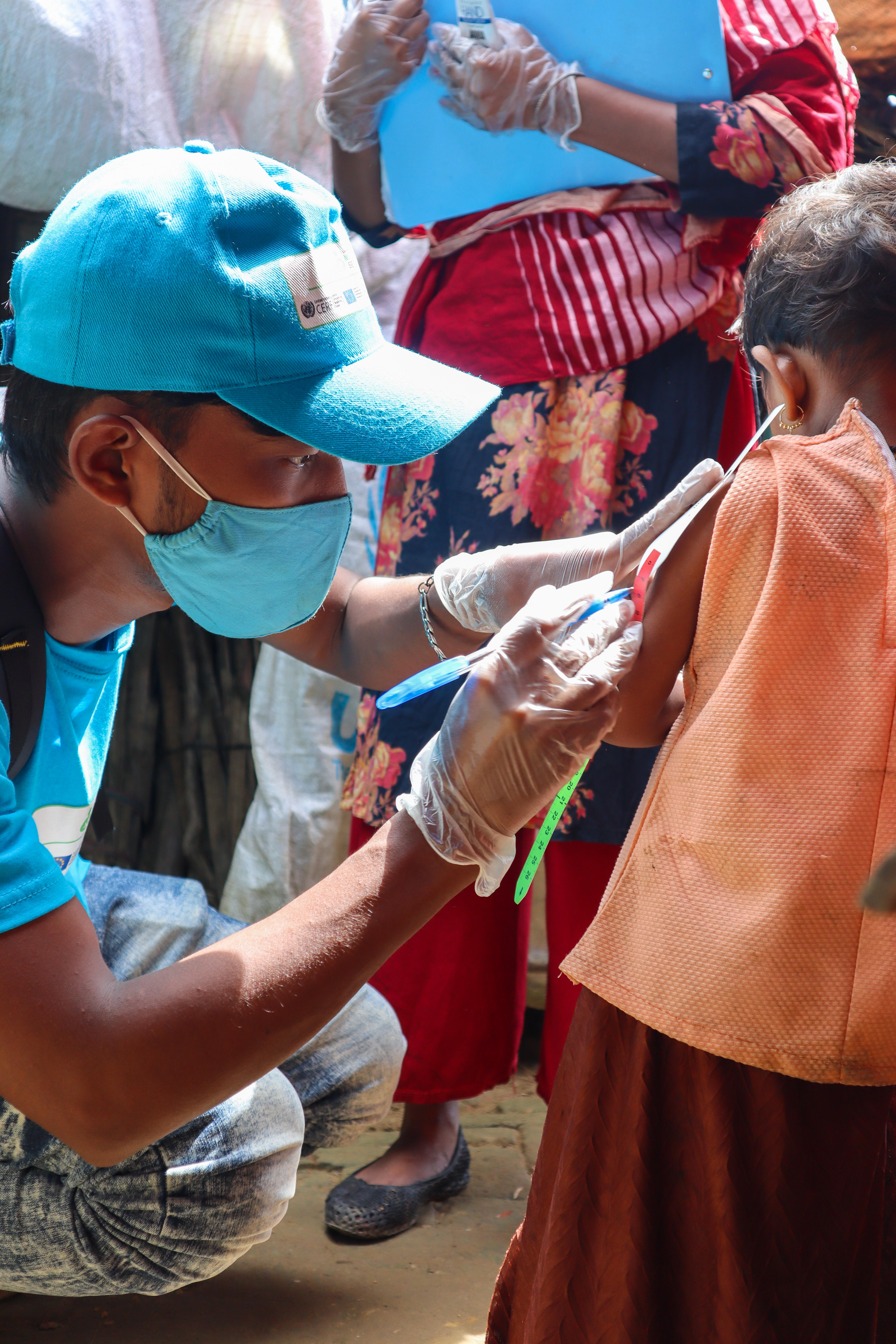
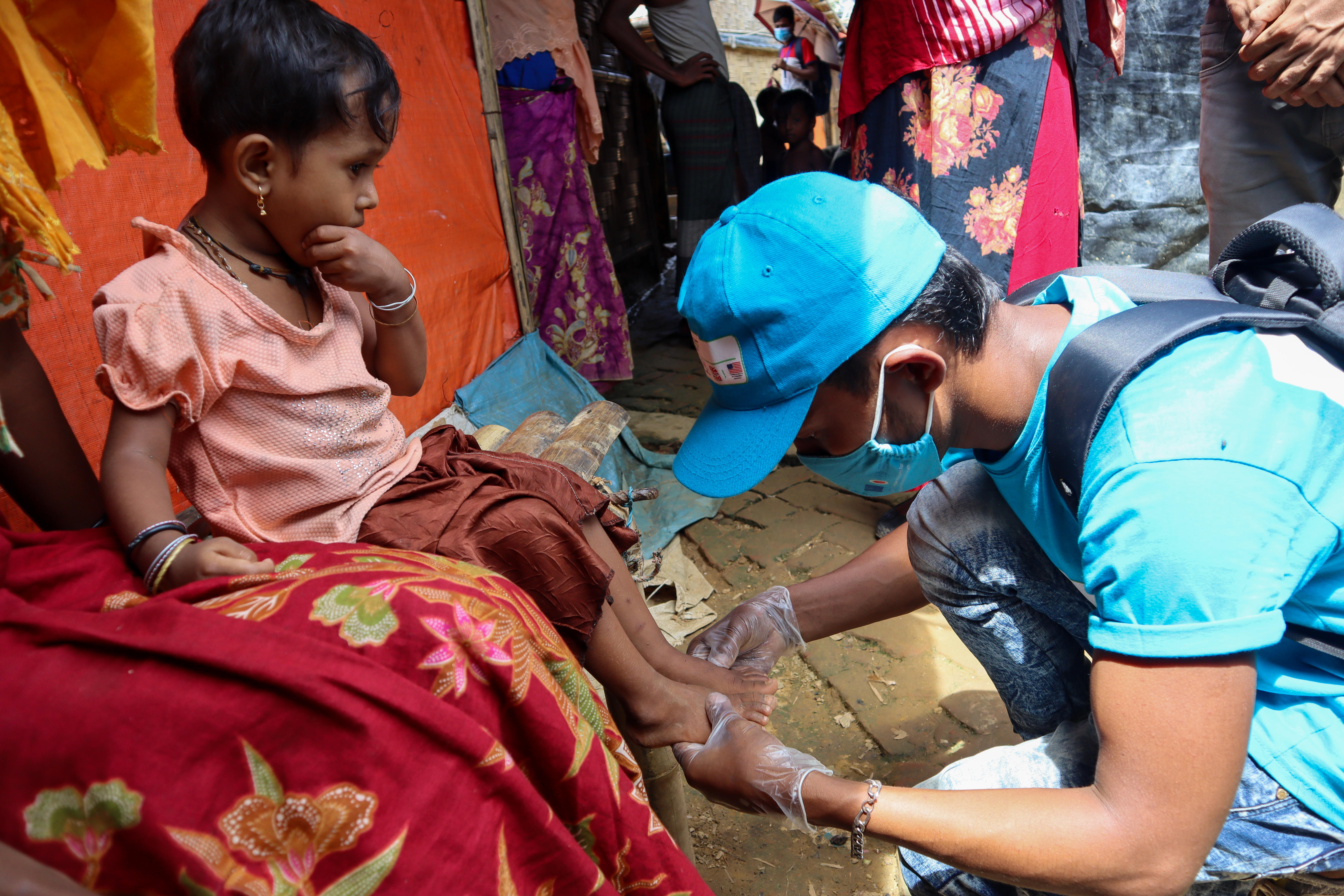
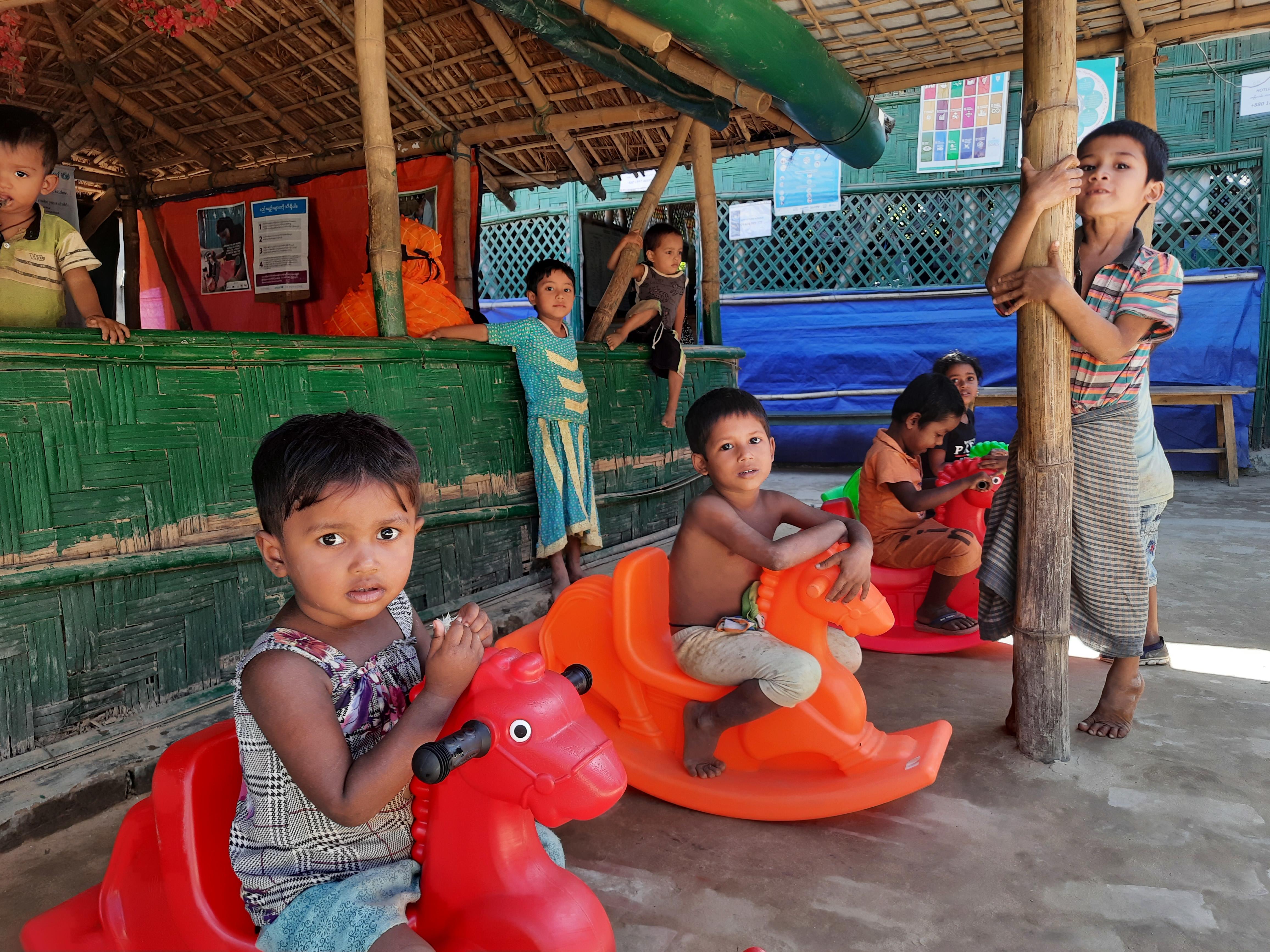
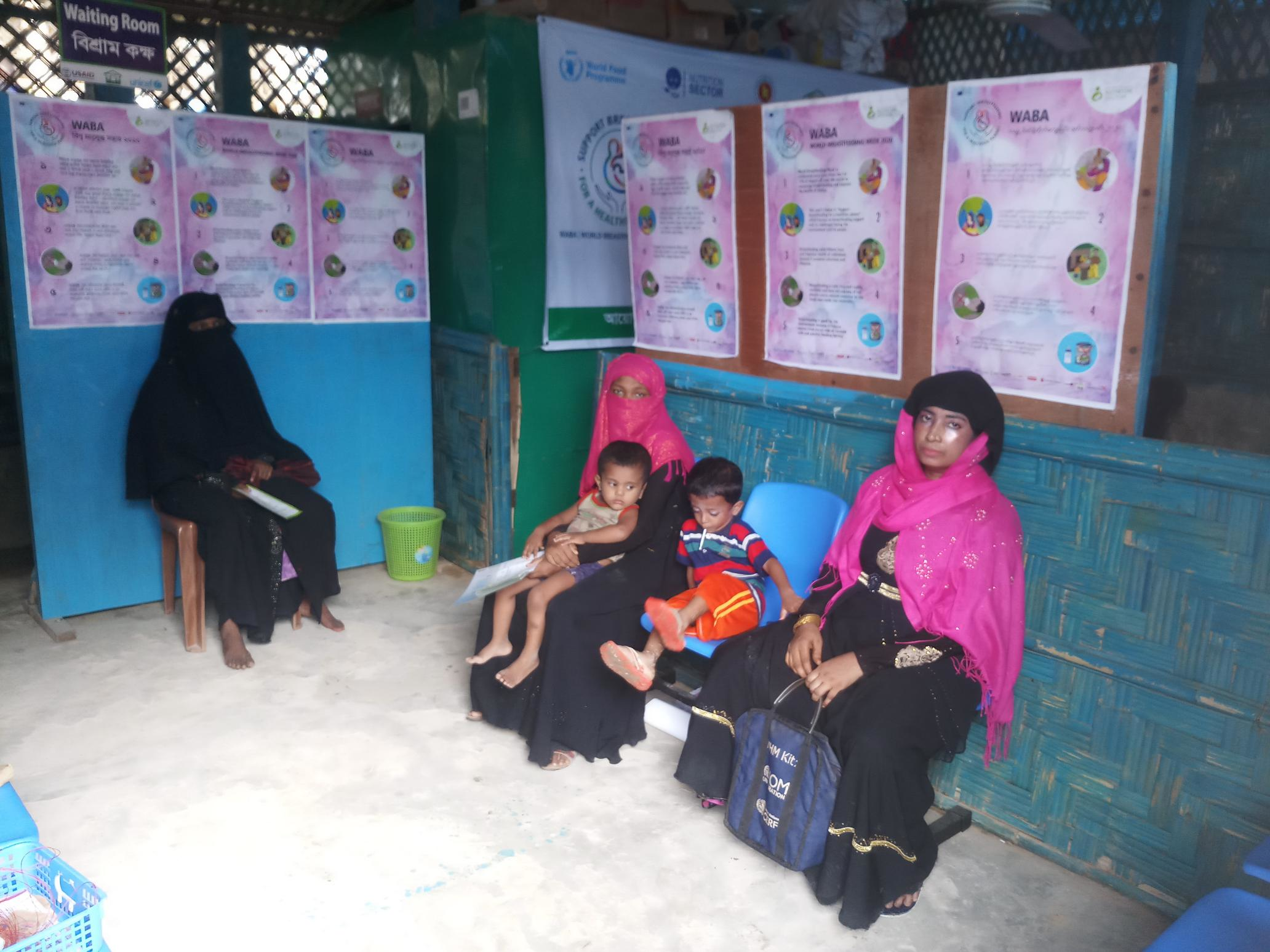
Nutrition Sector partners will continue providing life-saving essential nutrition services, both curative and preventive, for the target population through a total of 45 rationalized integrated nutrition facilities (INFs) in 33 Rohingya refugee camps in Cox’s Bazar Bangladesh. Nutrition sensitive services will also be provided through other Sectors’ service centres, such as primary health care centres, hospitals, disability rehabilitation centres, and learning facilities, and through the Mother, Infant, and Young Child Feeding programme approaches. Nutrition Sector partners will continuously monitor the malnutrition status of the targeted population. Children under five and pregnant and breastfeeding women (PBW) with identified nutrition needs will be screened, referred, verified, and admitted to the respective nutrition programme. Children with disabilities will be referred to a disability rehabilitation program to receive stimulation therapy and to be treated jointly with nutrition, protection and disability services. The Blanket Supplementary Feeding Programme will provide preventive nutrition services to 65,400 children of 6 to 23 months and 38,800 PBW whereas nutrition sensitive e-voucher will cover 97,100 children of 24-59 months.
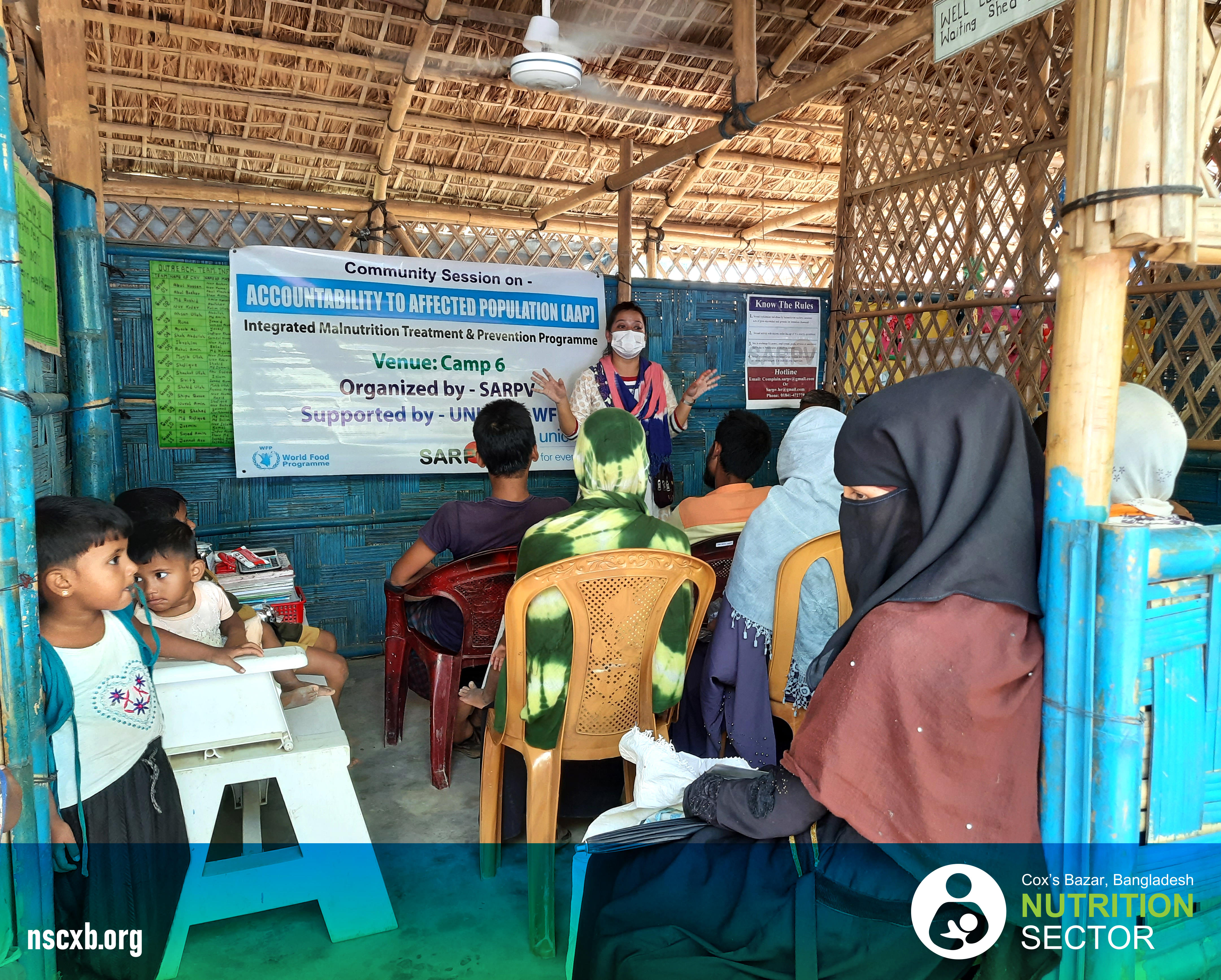
The Sector will also advocate for and support other nutrition services that require inter-sectoral collaboration, including food vouchers, fortified rice etc. in the camps, and nutrition promotion and learning programmes in learning centres. The Nutrition Sector partners will continue cross-cutting programmes successfully tested in previous years, including the inclusive Early Childhood Care and Development programme for children 3-5 years, and Accountability to Affected Population (AAP), Gender and disability inclusion etc.
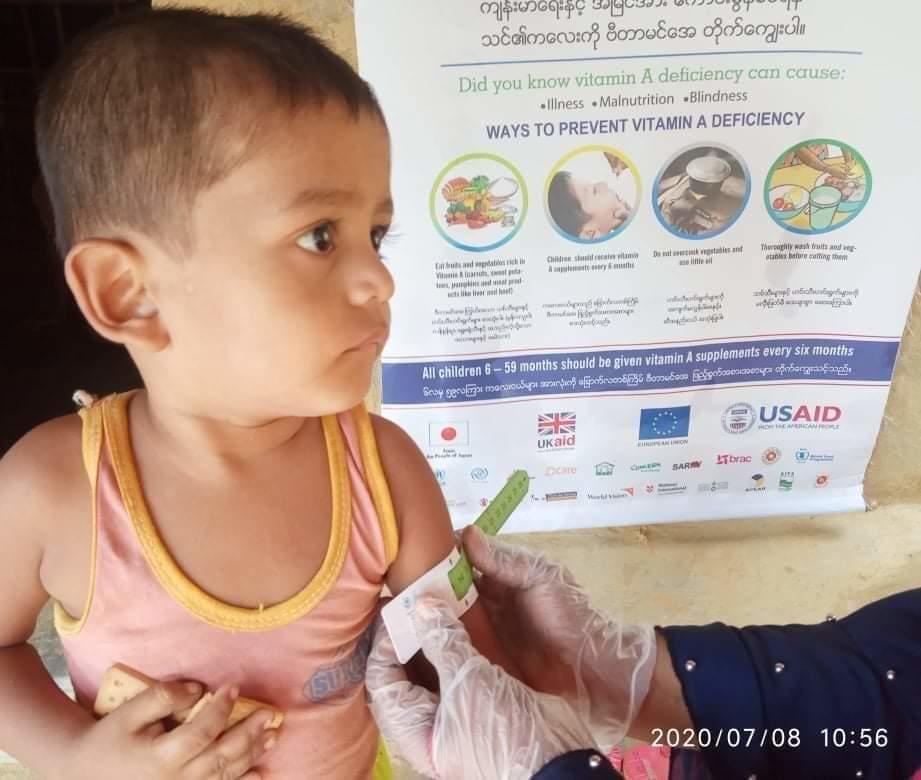
Around 14,800 Severe Acute Malnutrition (SAM) children will be treated in the refugee camps and 68,000 children (Refugee-62,700 and Host community- 5,400) with Moderate Acute Malnutrition (MAM) will be treated. Over 7,200 PBWs (Refugee-4,600 and Host Community-2,600) with Moderate Acute Malnutrition (MAM) will be treated under the Targeted Supplementary Feeding Programmes. The anaemia prevention programme will reach around 142,000 adolescents and 50,000 PBWs with Iron and Folic Acid (IFA) supplementation in the camps and host communities in Ukhia and Teknaf Upazillas. The Vitamin A supplementation campaign will reach 160,000 children aged 6-59 months and deworm 114,000 children aged 24-59 months at least twice per year.
PRIORITIZED SECTOR OBJECTIVES
To ensure equitable access and utilization of quality preventative nutrition specific services for boys and girls of 0 – 59 months, adolescent girls and pregnant and lactating women (PLW) in camps and host communities in Cox’s Bazar. (SO2, SO3)
To enhance equitable access and utilization of quality life-saving nutrition services for early detection and treatment of acute malnutrition for boys and girls of 0 – 59 months and PLW in camps and host communities in Cox’s Bazar. (SO2, SO3, SO4)
To improve capacity of nutrition actors nutrition information systems and knowledge-generation to facilitate scale-up of nutrition interventions. (SO2, SO3, SO5)
The Standardized Expanded Nutrition Survey (SENS) 2023 reveals worsening malnutrition among children with wasting at a critical prevalence level of 15.1 per cent increasing from 12.3 per cent in 2022. Similarly, the prevalence of severe wasting has nearly tripled, from 0.7 per cent in 2022 to 2.0 per cent in 2023.[1]
Malnutrition continues to increase. As of June 2025, 13 per cent and 12 per cent increase in admission of children with severe and moderate wasting respectively compared to 2024. [2]
As malnutrition is a complex, multi-sectoral issue, the malnutrition situation may worsen with several aggravating factors currently present in camps such as-Influx of 150,000 new arrivals, funding cuts across all sectors, WASH condition, etc.
At the same time, the incidence of diarrhea and respiratory infections was high, with facility-based consultations for acute respiratory infections (78,116 in 2023; 77,892 in 2024), Acute watery diarrhea (80,428 in 2023; 78,346 in 2024), fever (46,984 in 2023; 42,586 in 2024), all key underlying contributors to malnutrition among Rohingya children-showing similar trends in 2024 compared to 2023, according to DHIS2 data.
Nutrition Causal Analysis (NCA) 2025 report revealed that there are multiple risk-factors for malnutrition including, low income, cultural barrier, causing non optimal breastfeeding/ complementary feeding, poor sanitation etc.[3]
The Rohingya refugee response in Bangladesh is facing an increasingly precarious funding environment amidst a global decline in humanitarian assistance.[4] All sectors were also asked to re-prioritize their activities based on the reality of the funding situation. Similar to other sectors, nutrition is also facing challenges in terms of funding. As of June 2025, USD 15.1M (33.6%) was gap out of total USD 44.9M requested for joint response plan (JRP). Prevention and treatment of malnutrition is the most critical priority needs, where the funding gap was USD 13.3M.[5] Due to this financial crisis, our JRP appealing will be forced to stop activities from October 2025 at least in two integrated nutrition facilities (INF) in two camps unless funding shortfall restored.
The invalidation of SENS 2024 Survey possesses tension among stakeholders including partners, donors etc. on the way forward and for calculating sectoral PIN and target for JRP. The AIM TWG has revised the PIN and target following standard methodology which is in line with UNICEF and GNC guidance for estimating the number of children in need of treatment for wasting[6] and also recommended a nutrition survey to be conducted this year.
Significant security risk in camps including violence and exploitation leads to potential operational constrains which is also impacting nutrition programme. Nutrition Sector partners also observe significant reduction of beneficiary’s flow when these security incidents occur in their respective camps.
Natural hazards including fire, landslides and flash floods are also causing serious disruptions in nutrition programme implementation. Most of the INFs are constructed with temporary bamboo structures and hence require annual reconstruction to enhance disaster resilience.The limited availability of space/land within the camps continues to hinder the co-location and integration of health and nutrition services.
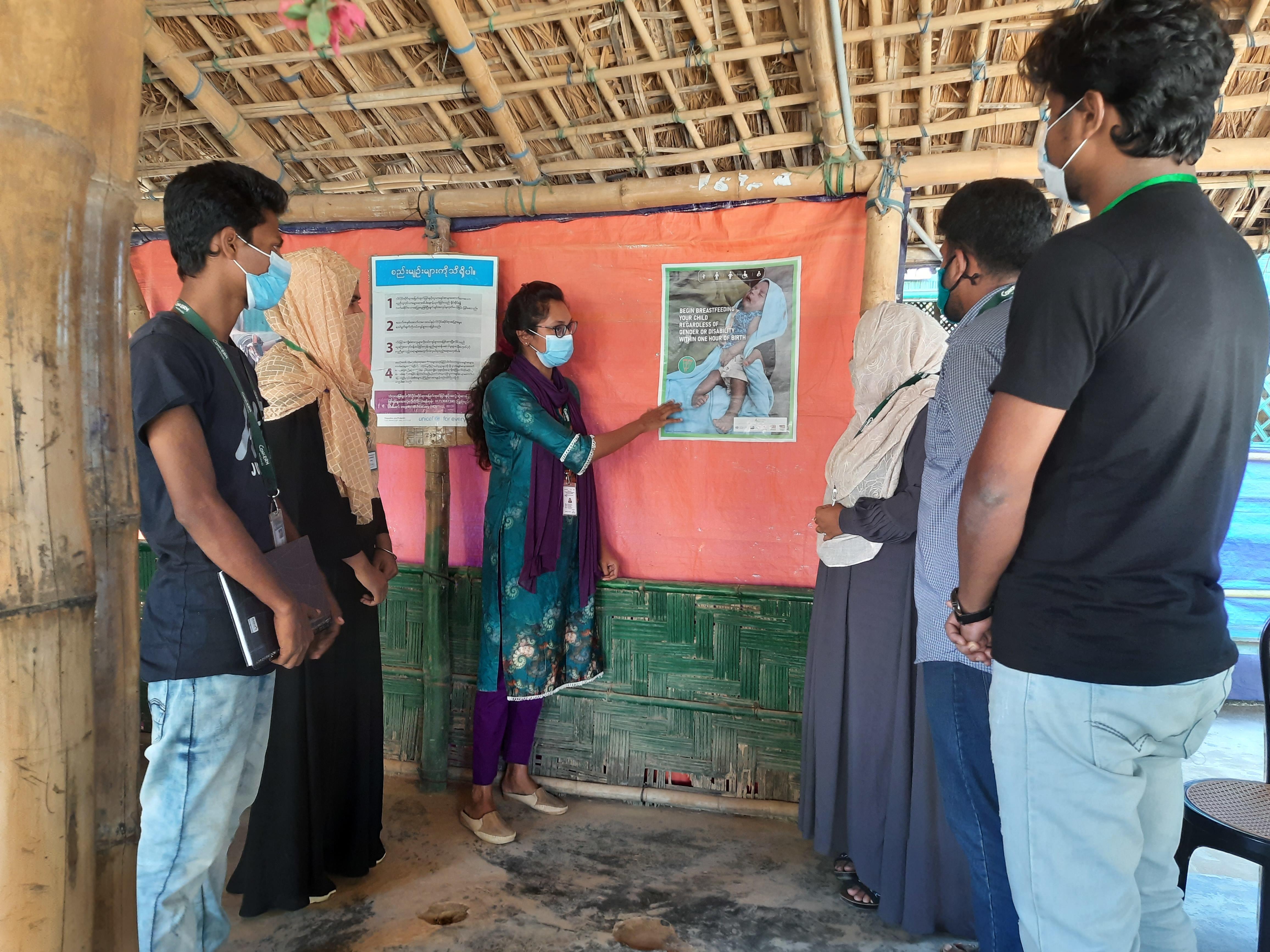
The Nutrition Sector and partners are working closely to strengthen community outreach programmes, strengthen the prevention of malnutrition programmes as well as the quality of treatment programmes. The Sector is also advocating to promote Nutrition Sensitive intervention with a stronger focus on complementing collaboration and multi-sectoral programming.
[1] Standardization of Nutrition Survey, refugee camps, November December 2023, cox’s bazar
[2] Nutrition Sector programme data analysis as of August 2024
[3] Link Nutrition Causal Analysis (NCA) Report for Rohingya Camps Bangladesh - May 2025
[4] Urgent Priorities: Addressing the Most Pressing Needs of the Joint Response Plan June-December 2025
[5] ISCG Mid-Year Financial Exercise, June 2025
[6] Guidance-Estimating-Number-Children-wasted for Programming.pdf
| Advocacy Survey | |
| Country Advocacy Strategy developed | Yes |
| Link to document | Link |
| Advocacy activities included in annual work plan | Yes |
| Specific WG leading advocacy work established | Yes |
| Preparedness | |
| Contingency plan or ERP plan developed/updated | Yes |
| Link to document | Link |
| Intersectoral Collaboration (ISC) | |
| Intersectoral projects currently under implementation | Yes |
| Clusters engaged | |
| Health Sector | |
Key Figures
(million)Funding
(million)- Children 6-59 months
- Pregnant and Lactating Women
Total Partners
JRP partners
Key Resources
list of important documents