Request support on coordination, information management, integration for nutrition outcomes or technical nutrition in emergencies assistance.
التماس الدعم لتنسيق التغذية وإدارة المعلومات والتغذية في حالات الطوارئ
Demander un appui pour la coordination de la nutrition, la gestion de l'information et la nutrition dans les situations d'urgence
Buscar apoyo para la coordinación de la nutrición, la gestión de la información y la nutrición en situaciones de emergencia
Solicite apoio para coordenação em nutrição, gestão de informação e nutrição em emergências
Colombia
L1The Food and Nutrition subgroup in Colombia, established in 2006, became the Food Security and Nutrition Cluster in 2010. It is co-led by the Food and Agriculture Organization of the United Nations (FAO), the World Food Programme (WFP), and UNICEF, working closely with other clusters/sectors (especially Protection, WASH, and Health). Since then, the FSN Cluster has supported food security and nutrition preparedness and response in the context of protracted conflict and natural disaster events and built capacities of humanitarian actors to cover gaps in assistance, in coordination with the Colombian government and local authorities.
2025 Mid-year report
January to June 2025
The Refugee and Migrant Needs Analysis 2025 (RMNA) describes the situation, gaps, and challenges of refugees and migrant populations. This document aims to shed light and provide insights that will inform the decision-making process concerning vulnerable populations in the condition of refugees and migrants. The analysis is based on different information sources as well as the results of the latest joint needs assessment evaluation. Furthermore, the RMNA is a key element in the development of the Regional Refugee and Migrant Response Plan 2025 (RMRP).
https://rmrp.r4v.info/rmrp2025-26-es/
Community Priority Response Plan:
Over the past two years, the Colombian government has advanced social and economic policies aimed at reducing inequalities, strengthening community development, and promoting peace through dialogue with Non-State Armed Groups. Despite progress, major challenges remain in consolidating peace, protecting human rights, and addressing the humanitarian consequences of the armed conflict.
Colombia faces a multidimensional humanitarian crisis driven by overlapping factors: ongoing armed conflict causing displacement, confinement, and mobility restrictions; climate-related disasters such as floods, droughts, and large-scale fires; and mixed migration flows, particularly from Venezuela. These dynamics exacerbate food insecurity, limited access to health and basic services, and deepen existing vulnerabilities, especially in rural areas with weak state presence.
Structural inequality further compounds these crises. Colombia ranks among the most unequal countries in South America, with high poverty and extreme poverty rates, widespread labor informality, and up to 95% of the rural population reporting unmet basic needs. Although GDP growth has been driven by trade liberalization and regional cooperation, disparities persist, leaving a significant share of the population without access to essential services or social protections.
As a result, Colombia’s context remains highly complex, where development challenges and humanitarian needs are deeply intertwined.
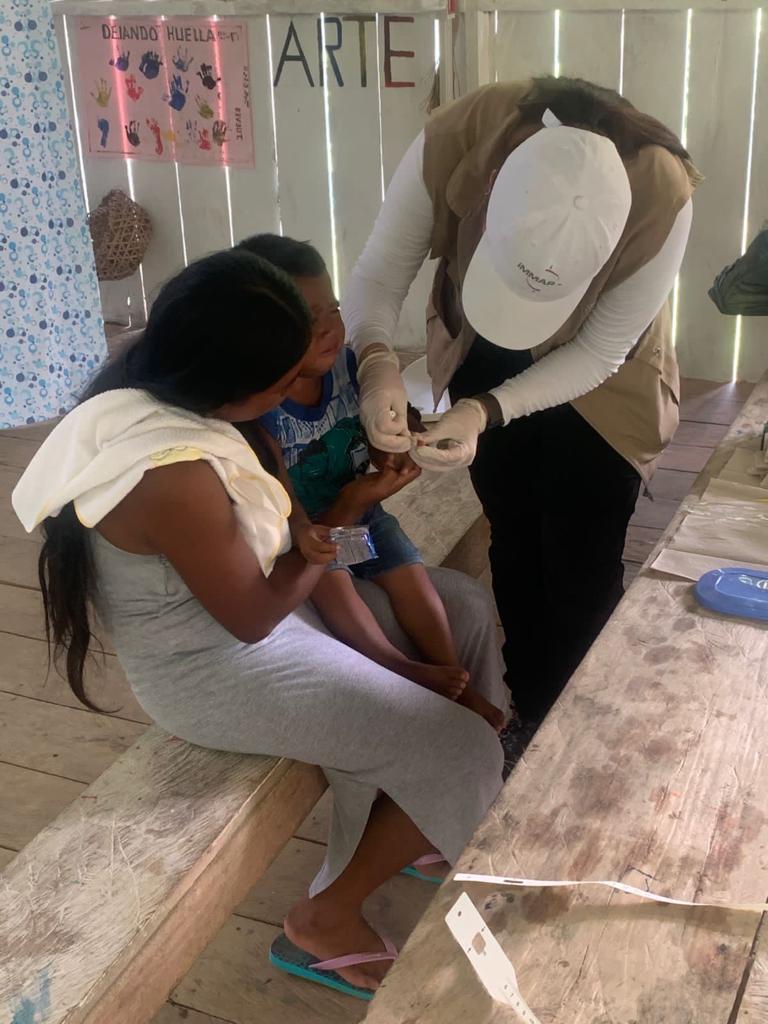
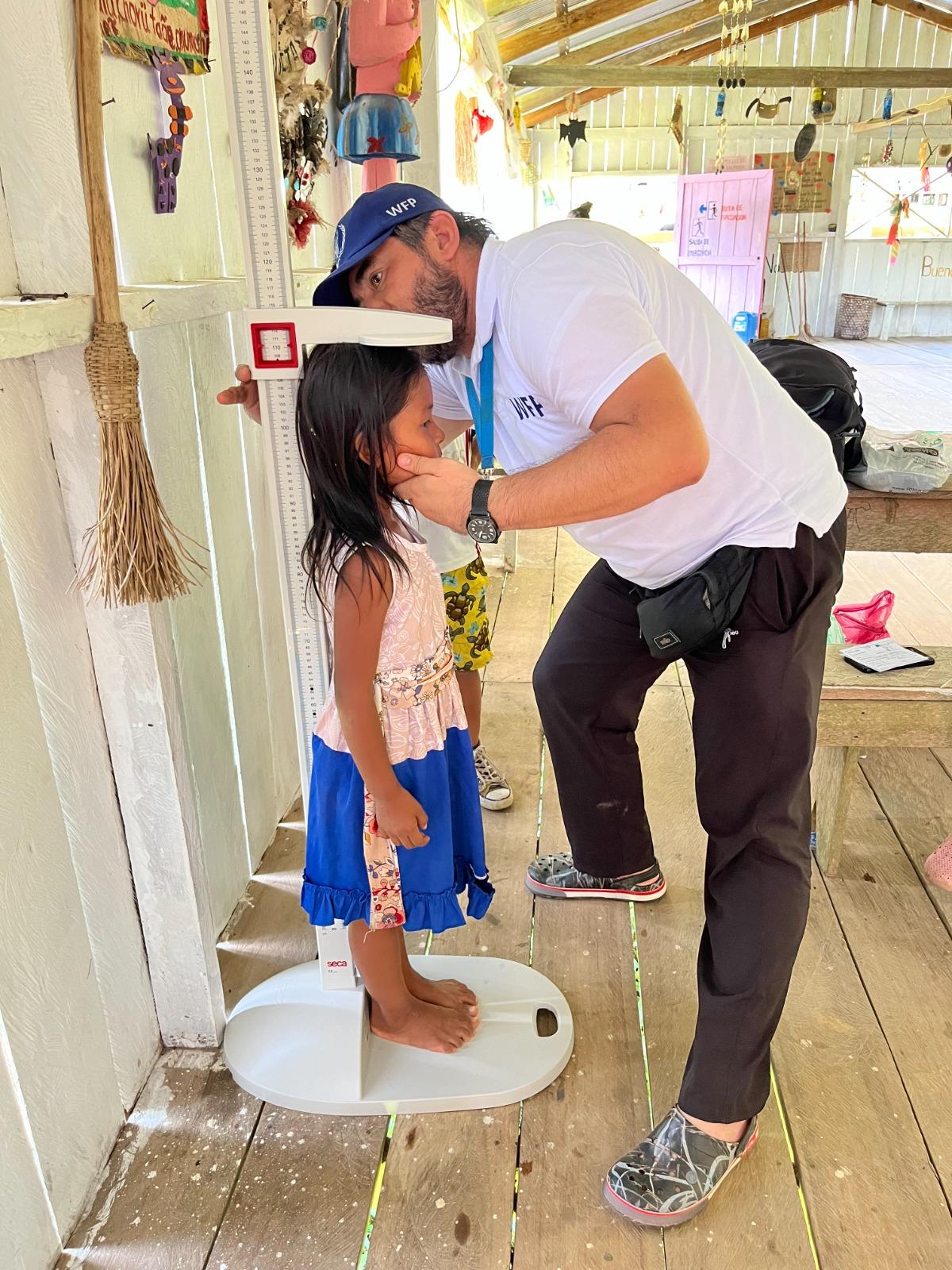
Currently, the nutrition sector faces one of its greatest challenges due to reduced funding for interventions and the allocation of resources to mitigate the impact of large-scale global crises. This problem is further aggravated by the complex humanitarian situation in Colombia, where more and more regions are immersed in increasingly complex and protracted emergencies. This increases the risk of malnutrition, particularly severe malnutrition, among the most vulnerable populations—especially children and pregnant and lactating women in rural and remote areas—putting their survival, growth, and development at risk.
Due to the fragility of health service delivery in the most remote areas of the country—often affected by double or even triple burdens—it is necessary to carry out continuous institutional strengthening actions in key areas of nutrition (including training, technical support, and, in some cases, the provision of equipment and nutritious food) so that the most vulnerable populations can access health and nutrition services with the necessary supplies to ensure timely and quality care. This requires greater resource allocation.
- At present, the Humanitarian Reset creates a context of uncertainty that demands greater efforts to ensure that the nutrition response—through the continuity of essential services and the strengthening of local capacity—continues without interruption. This implies gradually transferring responsibilities to local authorities, training local teams, and ensuring the existence of surveillance and emergency response systems for nutrition. The transition within the framework of the Humanitarian Reset must be carefully planned to avoid service disruptions and to ensure that vulnerable populations continue receiving the necessary support.
Key Figures
(million)Funding
(million)- Children aged 6-59 months
- Pregnant and Lactating Women